Product Knowledge
Stainless Steel vs. Brass Faucets: How to Choose the Right Material for Your Market
Stainless steel vs. brass faucets compared for importers: material properties, finishes, price tiers and maintenance, plus how to match each to your market.
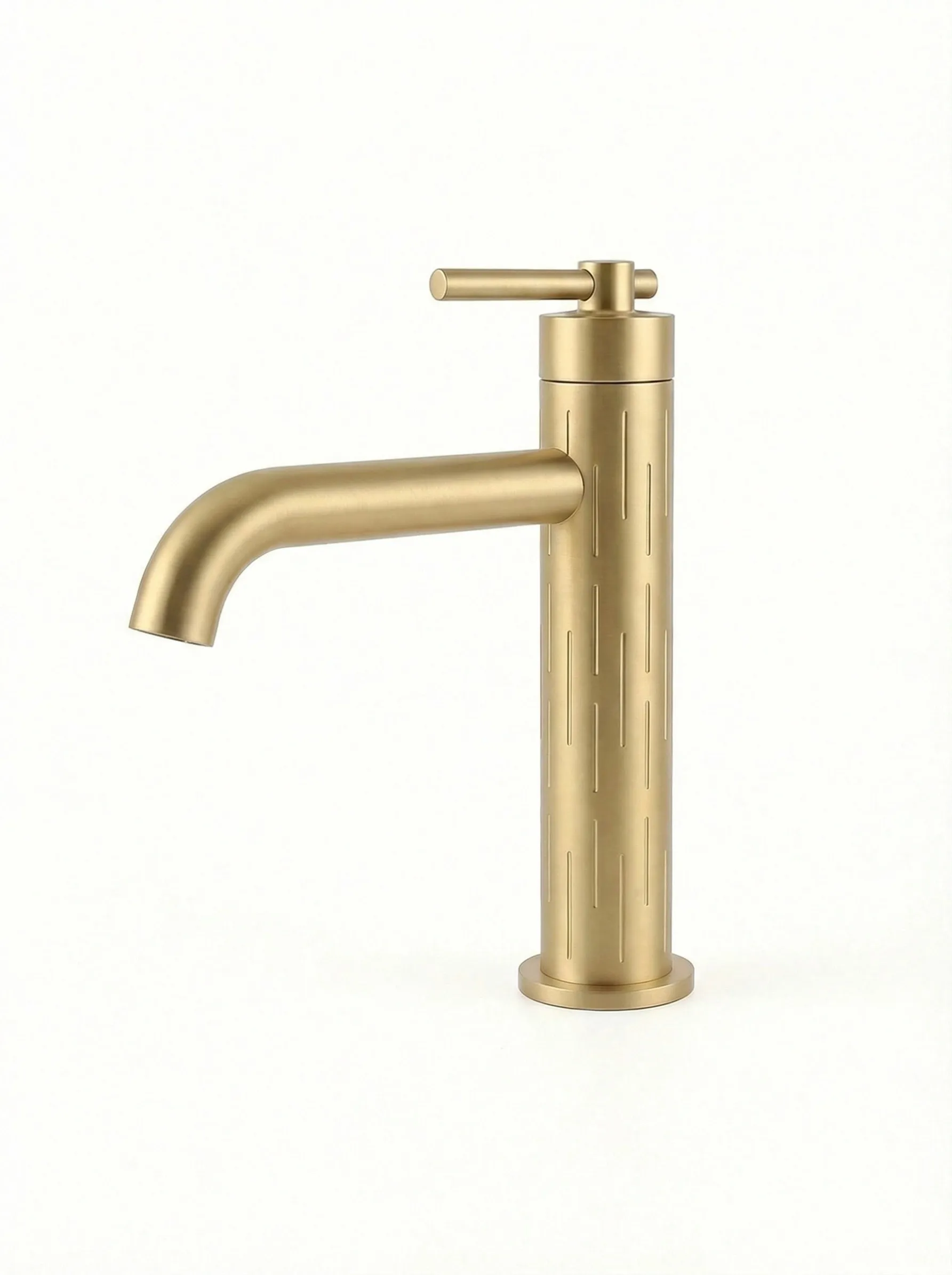
For importers and distributors, the material question comes before almost every other decision. Stainless steel and brass are the two workhorse materials in the faucet industry, and each one sells differently in different markets. Choosing the wrong material mix for your channel usually means slow stock, price pressure, or both. This guide compares the two from a buyer's point of view — material properties, finishes, price positioning, and maintenance — so you can build a range that fits your market instead of copying someone else's.
Material Properties: What You Are Actually Buying
Stainless Steel
Most quality stainless steel faucets are made from 304-grade stainless steel. The material is corrosion resistant by nature, holds up well in humid bathroom environments and coastal regions, and its surface is hard, so it resists scratches from daily cleaning. Because the body itself is steel, the surface does not rely on a plated layer for protection. One well-known material fact worth passing on to your customers: a solid stainless steel body contains no lead in the material itself, which is a simple, honest selling point in markets where buyers ask about what their water touches.
Stainless steel is harder to cast and machine than brass, which is why stainless models tend to have cleaner, straighter design language — modern, minimalist shapes suit the material well.
Brass
Brass has been the classic faucet material for decades, and for good reason. It casts beautifully, which makes it the right choice for traditional shapes, curved bodies, and detailed decorative designs that steel cannot easily reproduce. It machines precisely, threads well, and gives a faucet that solid, heavy hand-feel many buyers associate with quality. Brass is also the traditional base for plated finishes, so it offers the widest range of surface colors and effects.
The trade-off: a brass faucet's appearance depends on the quality of its surface finishing. A good finish protects it for years of use; a poor one is where most quality complaints in this category begin.
Finishes and Surface Options
Stainless steel faucets are usually sold in their natural brushed finish, which hides fingerprints and water spots better than a mirror polish. They can also be PVD-coated in matte black, gun grey, brushed gold, and other colors that are very popular right now — the coating bonds hard to the steel surface and wears evenly.
Brass takes chrome plating and PVD colors equally well, and it remains the better base for classic polished chrome and traditional antique-style finishes. If your market buys ornate or classic designs, brass is almost always the answer. If your market buys modern minimalism, stainless steel — brushed or PVD-coated — is usually the faster mover.
Price Positioning and Market Fit
As a general industry pattern:
- Stainless steel positions naturally in the mid-range: modern look, low maintenance story, strong appeal to younger retail buyers, e-commerce sellers, and apartment or rental project buyers who care about durability with simple upkeep.
- Brass spans both ends: it serves the traditional mid-range replacement market and, with heavier bodies and premium finishes, the higher-end decorative segment where design detail justifies the price.
Markets with hard water or coastal air tend to reward stainless steel's corrosion story. Markets where buyers lift a faucet and judge by weight and ornament tend to reward brass. Many successful distributors stock both: stainless steel for the modern volume lines, brass for the design-led lines.
Maintenance: What Your Customers Will Experience
Stainless steel needs little more than a wipe with a soft cloth; avoid steel wool and strong abrasives and the brushed surface keeps its look. Brass with a quality finish is also easy to live with — mild soap and water, no harsh chemicals — but buyers should be told honestly that plated finishes, on any brand, eventually show wear in heavy-use commercial settings. Setting that expectation early protects your brand more than any sales claim.
The Bottom Line for Buyers
There is no universal winner — there is only the right material for your channel. Match the material to your market's taste, water conditions, and price tier, and test both with small trial orders before committing to volume.
At PINDA Sanitary Ware Factory, we manufacture both lines in our own factory in Guangdong, China: brass faucets for classic and design-led ranges, and 304 stainless steel faucets for modern, low-maintenance ranges — with OEM branding and laser logo engraving, and low, flexible MOQs for trial orders. Tell us which market you sell to, and we will recommend the mix that fits it.
Planning your next range? Contact PINDA via our contact page to request the catalogue and samples for evaluation.